For Africans living abroad, food can be a way to stay connected to home and build new communities. Aminatou Camara, an Ivorian restaurateur in Dubai, has converted her passion for food into a meeting place where people from all over Africa can share meals, build friendships, and experience a sense of belonging outside their own country.
By Nahis Regis, bird story agency
In a busy restaurant in Deira, Dubai, voices competed with the sound of cutlery against plates and a football match playing on television. Customers leaned across tables to talk, laughter rose over the noise, and familiar pleasantries were exchanged among friends who came to dine, catch up, or watch a game together.
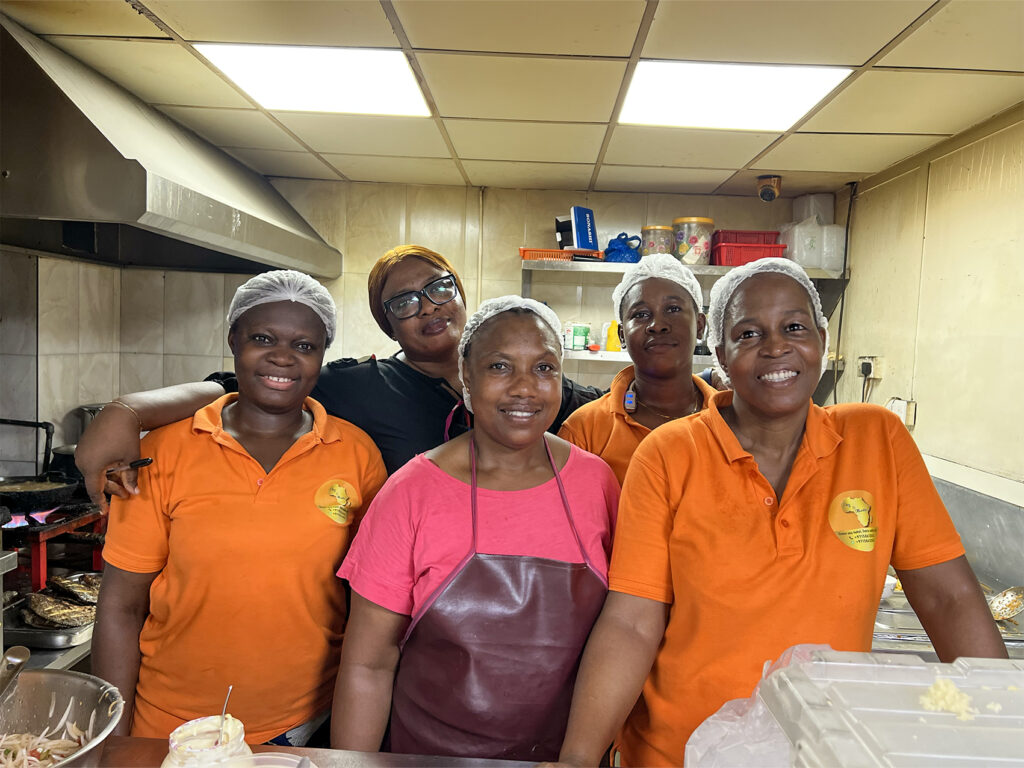
Some ordered Ivorian foods they grew up with, while others had traveled from other parts of Africa to enjoy the cuisine. A meal at Guissi Plaza, best known as Chez Maestro to its customers, is often an opportunity to spend time with folks who understand what it’s like to live miles away from home.
For businessman Fatiga Ibrahim, the restaurant has become a haven for finding that companionship. When he wants to eat with family, he comes here. He watches football, cracks jokes, and socializes with other Africans residing in the United Arab Emirates.
“Of course, we come together as a family, as if we were in Africa. Look at these young people here. We watch football together, and we laugh together. It reminds me… When I am here, it is as if I am back home, as if I am with family.”
For Ibrahim, the appeal extends beyond the cuisine. The restaurant allows him to meet new people and establish relationships despite living outside of his home country.
At Chez Maestro, the relationships revolve around Ivorian cuisine and the restaurant’s owner, Aminatou Camara.
Camara has been living in Dubai for six years. She accompanied her spouse, who had relocated to the emirate to pursue football. As their lives progressed, the couple discovered that Ivorians in their community had few options for eating the food they were familiar with, despite the fact that restaurants serving other West African cuisines were available.
They began by preparing and delivering meals from home to customers. As orders soared, the pair saw an opportunity to open a restaurant where guests could sit and dine.
“The idea for the restaurant, I can say, came from my husband. He had come for football, and afterwards he had the idea of going into catering because there were more and more Ivorians. There were Malian restaurants, but there was no Ivorian restaurant. So, little by little, we started at home. We saw the customer base beginning to grow, so he decided to open a restaurant.”
African culture does not end at national borders, nor does it remain unaltered when individuals travel overseas. As Africans establish themselves in other nations, they bring their food, culture, and languages with them, providing possibilities to engage with individuals beyond their own national communities.
Camara took over the restaurant’s daily operations while her husband continued to play football and participate in other activities. It quickly became a physical location where consumers could gather, eat, and build connections.
The meal leans largely on Côte d’Ivoire’s culinary heritage. Camara mentions garba, placali, and foutou banane as meals that remind customers of home. Garba, made with attiéké and fried tuna, is particularly popular among the restaurant’s broad customer base.
That experience represents a larger reality for Africans who relocate abroad for employment and other opportunities. The African Union estimates that 4.7 million African migrants were residing in Gulf Cooperation Council countries by 2024. Their experiences differ, but for many, staying connected to home also entails discovering familiar foods, languages, and communities in their new surroundings.
Camara has discovered that consumers from neighboring countries, such as Guinea and Mali, like her cooking. People arrive with various cuisine customs, but the same dish might bring them all together at the same table.
“The dish that most brings back memories of home—there is especially garba, there is placali, and there is foutou banane. But what is surprising, I can say, is that people from all these countries, whether Guinea or Mali, seem to love garba even more than we do.”
The popularity of these dishes has allowed Ivorian cuisine to spread beyond its original population. Customers can choose meals from their own traditions while learning about those of their neighbors. The restaurant becomes a hub for cultural interchange through everyday decisions like what to order, what to share, and what to return for.
Chef Adélaïde Tagbo uses her work to stay connected to her cultural roots. Preparing familiar foods in Dubai allows her to continue employing talents entrenched in her own food traditions.
“Cooking African food in Dubai, yes, I can say it is a way for us to preserve our culture, because, first of all, we are Ivorian, we are abroad. So, really, we are trying to put our skills to use abroad. In that sense, it is preserving our culture.”
Her insight provides a new dimension to the eatery. While customers find consolation in the meals, the people who prepare them continue a tradition that connects their life abroad with their home countries. The cuisine is a part of their working lives, but it also brings traditions into a new context.
Camara says the restaurant’s clients come from a variety of African countries, including Burkina Faso, Mali, Ethiopia, Madagascar, and the Comoros, as well as Côte d’Ivoire. Some interactions created there have grown beyond the restaurant, with customers and employees building friendships that have become a part of their daily lives in Dubai.
“Of course, this place has become a meeting spot for the African community. Many people come together here. I think you have seen it yourselves: it is not only Ivorians. There are Burkinabè, Malians, even Ethiopians, Malagasy people, Comorians, and everyone gathers here. We ourselves have met people who have become like family. Everyone comes together; it is as if we were back home, really.”
The African Union considers the diaspora as an integral aspect of the continent, which includes individuals of African descent residing outside of Africa. However, ordinary interactions and long-term relationships shape one’s sense of belonging overseas. At Chez Maestro, those ties form over shared meals, football games, and chats between people whose paths would otherwise never cross.
The restaurant does not reproduce life in Côte d’Ivoire, nor does it remove the differences among the individuals who dine there. Instead, it provides a space where people may incorporate aspects of their home life into the communities they are creating in Dubai.
At Chez Maestro, a dish of Ivorian food might spark a discussion, a friendship, or an evening spent watching football. Thousands of kilometres from the continent, the restaurant provides a space for patrons to share familiar flavours while creating new connections with one another.
bird story agency