Africa’s flower power gets stronger
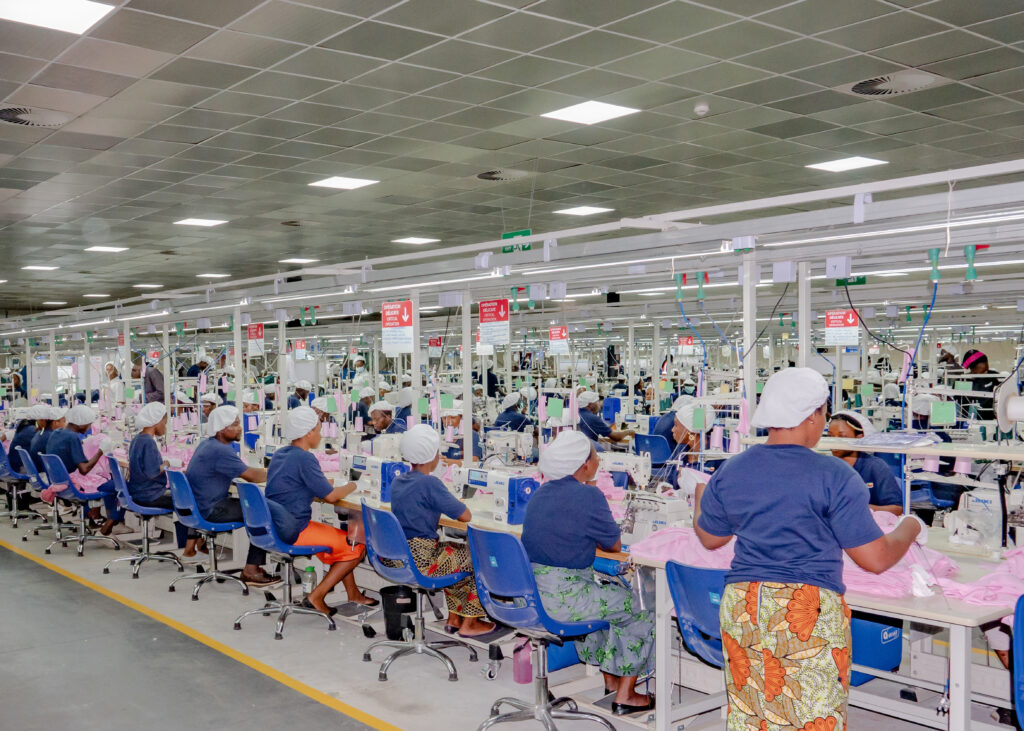
Africa continues to assert itself as a global powerhouse in cut-flower exports, supplying European and Middle Eastern markets with industrial-scale precision each year.
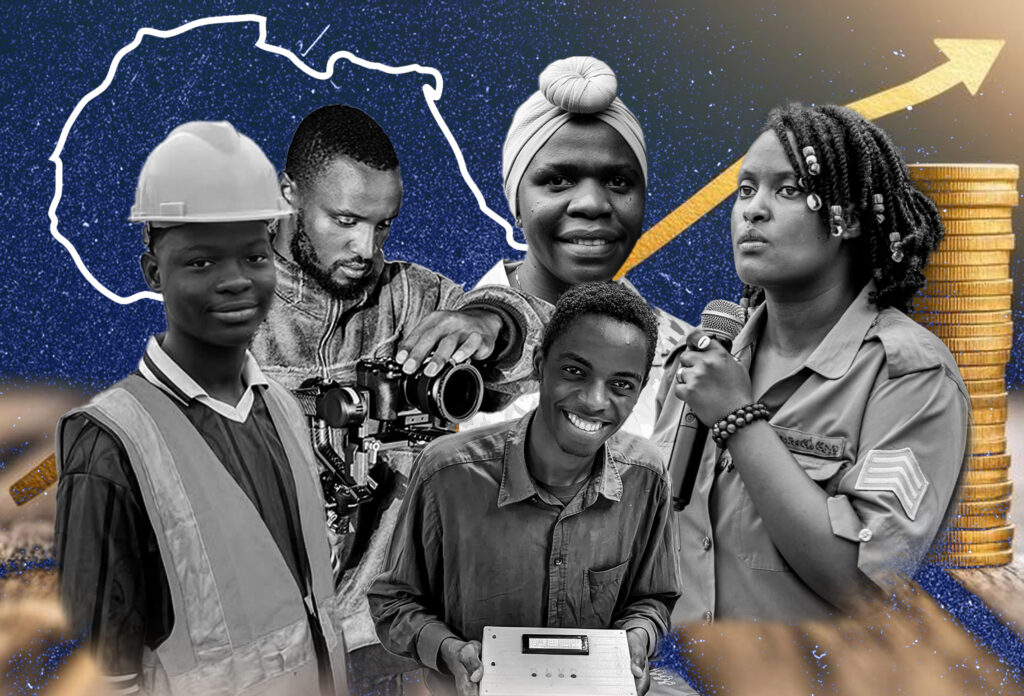
Changing the narrative on Africa.

Africa continues to assert itself as a global powerhouse in cut-flower exports, supplying European and Middle Eastern markets with industrial-scale precision each year.

Africa has a higher number of women in senior leadership positions in small investment teams than the global average. To sustain this, more firms in the region are building pipelines to strengthen the prospects for female employees to advance.

Angola is repositioning itself as Africa’s top destination for long-term oil and gas investment. Regulatory clarity, fiscal incentives, and first-oil milestones are drawing independent and global oil companies alike.

African countries are using debt strategically to fund sustainable initiatives in areas such as health, food, education, environment and urban planning. Debt-for-development swaps are redirecting savings from high-cost loans into measurable social and economic outcomes, strengthening fiscal resilience.

Africa’s venture market is entering a new phase. Beyond recovering from past volatility, growth is now concentrated in markets with mature financial infrastructure, while startups continue to innovate in a broader range of sectors and regions.

New cars are hitting Africa’s roads faster than ever as local production rises and Chinese brands heat up competition with attractive prices.Morocco is speeding production at over 1 million units surpassing South Africa at nearly 600,000 units.

The UN expects East Africa to lead Africa’s growth in 2026, powered by Ethiopia’s reform push and Kenya’s diversified economy. Big infrastructure bets are lifting the outlook, but high debt costs and tight global finance remain key constraints.

Economic growth in Africa is expected to surpass that of Asia for the first time in 2026. While economists have varying growth rate predictions, they are in agreement that Africa’s economy is rising while that of Asia is slowing down, offering a big opportunity for the continent to grow faster than its Asian counterpart.

Africa’s startup ecosystem is emerging from two difficult years with renewed momentum, buoyed by a funding rebound that is increasingly being driven by local venture capital.

Africa’s next generation is emerging as the new battleground for digital finance, as global crypto exchanges and African fintechs race to shape how children save, learn and interact with money. Chinese crypto platform, Binance has now entered that race. This month, the exchange launched Binance Junior, a parent-controlled savings app for users aged six to seventeen that introduces digital assets in a supervised, education-first setting.